
POS & checkout
Protect the endpoints, connectivity, and supporting systems that keep transactions moving through peak trading periods.
Retail
Support the technology behind checkout, payments, inventory, staff, and connected customer experiences with a repeatable standard across your locations.
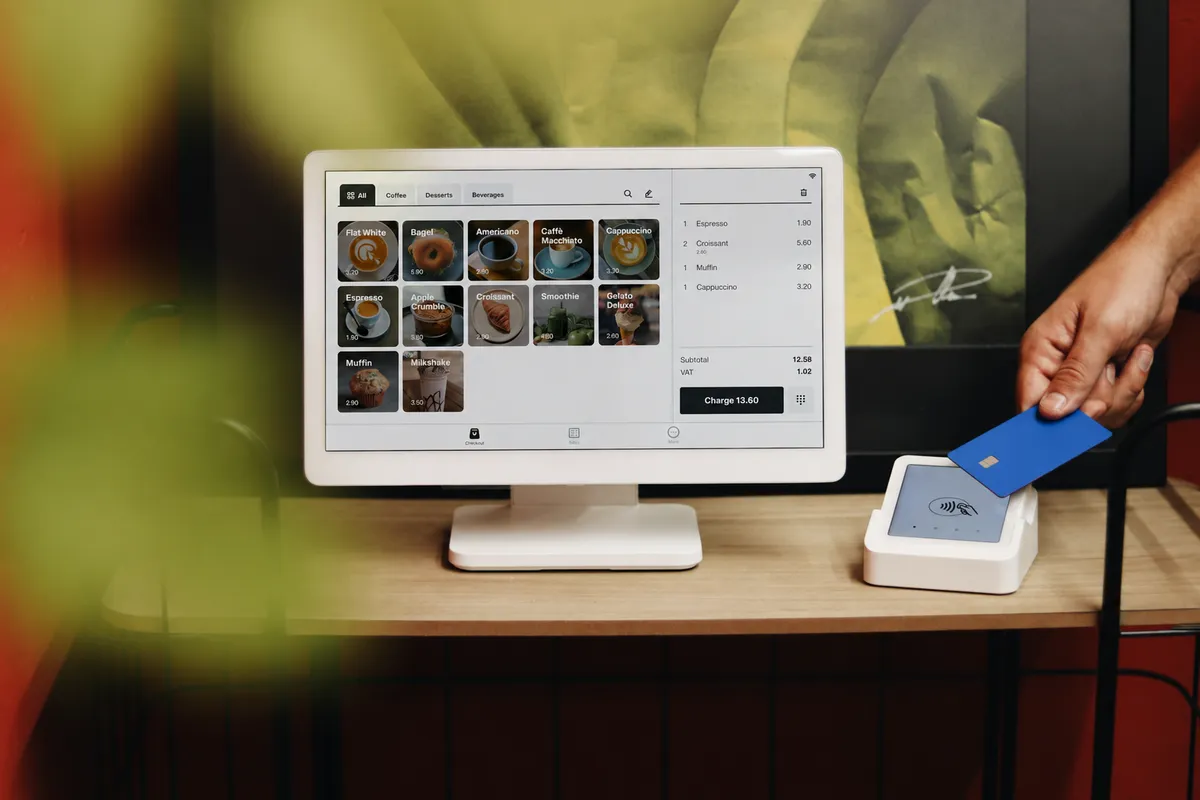
Built around your operation
Your business systems, security, connectivity, and support belong in the same conversation.
Protect the endpoints, connectivity, and supporting systems that keep transactions moving through peak trading periods.
Standardize firewalls, switching, Wi-Fi, guest access, and appropriate separation for payments and other connected devices.
Support the dependencies around inventory, ERP, pricing, e-commerce, pickup, loyalty, and customer accounts.
Manage workstations, tablets, scanners, kiosks, and remote access for the vendors supporting store technology.
Strengthen identities, email, endpoint protection, and recovery plans around the systems that stores and headquarters depend on.
Create repeatable technology kits for openings, remodels, acquisitions, and closures, with useful records and clear support ownership.
A practical transition
The pace and scope follow your environment. The responsibilities stay clear.
Map users, locations, business systems, data, vendors, and dependencies. Identify the failures that would matter most to the business.
Prioritize access, endpoint security, patching, backup, and urgent risks. Agree on ownership, communication, and the transition plan.
Document a practical baseline for identities, devices, networks, vendors, recovery, and support. Keep exceptions visible and owned.
Review recurring issues, security evidence, lifecycle needs, and growth plans. Maintain a roadmap with priorities and responsible owners.
Scope comes first
Map payment responsibilities and support the technical controls where PCI DSS applies. Review customer-data handling and the privacy and contractual requirements relevant to your environment.
Explore complianceQuestions worth asking
Inventory the current designs, identify necessary differences, and establish a supportable baseline with documented exceptions.
Record the roles of the retailer, payment processor, POS vendor, and technology providers. The plan should follow actual responsibilities and system boundaries.
Review the operational impact, available vendor options, and failover design, then test the store’s agreed procedures.
A conversation about your business
Tell us about your locations, your systems, and the changes ahead.